
How Does Amla Affect Cholesterol Levels?
By Cyrus Khambatta, PhD

Picture the scene.
Your last blood work came back, and the numbers weren't what you hoped for.
Your doctor's expression shifted when reviewing your lipid panel, and before you knew it, the conversation turned towards using a statin medication.
You've heard the stories – muscle aches, brain fog, fatigue – and you're wondering if there's another way.
You've already tried cutting back on eggs, switching to low-fat everything, and forcing yourself through morning jogs. But your total and LDL cholesterol barely budged.
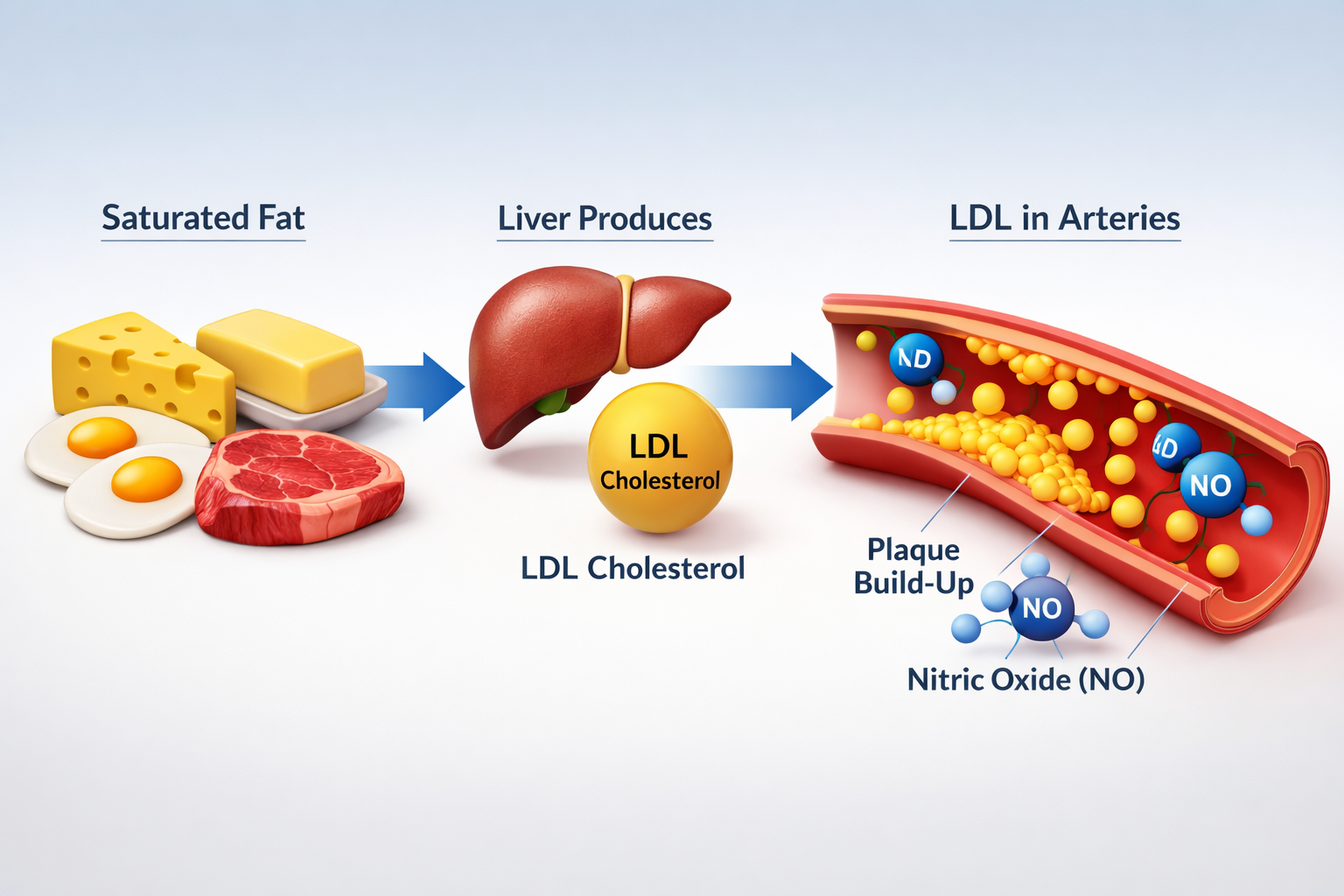
Here's what most people don't realize: simply avoiding dietary cholesterol isn't enough to lower your LDL cholesterol level.
Why? Because your cholesterol level is affected by your overall diet quality, and primarily by the amount of saturated fat you eat. Sure, dietary cholesterol matters, but not as much as you may think.
And when your liver is overwhelmed by oxidative stress, inflammation, and metabolic dysfunction, cholesterol production stays elevated regardless of what you remove from your plate.
So let's talk about a small green superfruit from India that's been used for over 5,000 years – and that modern clinical research is now validating in ways that are genuinely impressive.
What Is Amla, and Why Should You Care?
Amla (Phyllanthus emblica), also known as Indian gooseberry, isn't a trendy superfruit that appeared on Instagram last week. It's been a cornerstone of Ayurvedic medicine for millennia, and it's now been subjected to rigorous scientific scrutiny through randomized controlled trials, systematic reviews, and meta-analyses.
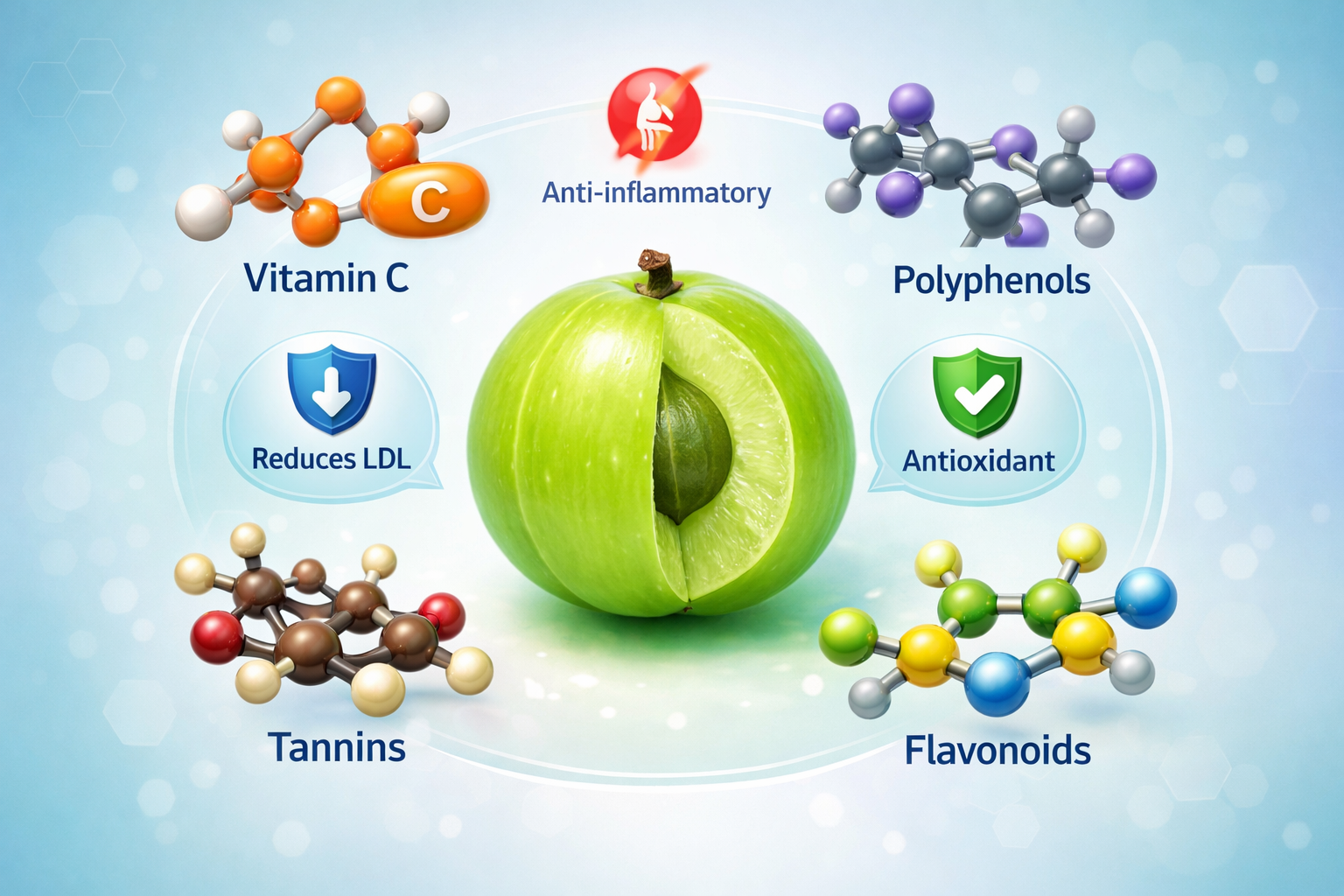
The data suggests that amla contains an extraordinary concentration of vitamin C – more than 20 times that found in oranges – along with a complex array of polyphenols, tannins, and flavonoids. These compounds work synergistically to address the oxidative stress and inflammation that drive cholesterol dysfunction in the first place.
What the Clinical Research Shows About Amla
A 2023 systematic review and meta-analysis published in BMC Complementary Medicine and Therapies analyzed nine randomized controlled trials involving 535 participants [1]. The researchers found that amla supplementation produced:
LDL cholesterol reduction of -15.1 mg/dL
Triglyceride reduction of -22.4 mg/dL
Significant decreases in VLDL cholesterol
Significant decreases in hs-CRP, the master marker of inflammation
Another 2023 meta-analysis published in Diabetes & Metabolic Syndrome examined five randomized controlled trials and found that amla supplementation significantly reduced LDL cholesterol, total cholesterol, triglycerides, fasting glucose, and C-reactive protein – while increasing protective HDL cholesterol [2].
The most notable finding? These improvements occurred after just 3-12 weeks of supplementation, with larger effects observed at doses greater than 1 gram per day.
How Amla Improves Your Entire Lipid Profile
When researchers examine amla's impact on lipid metabolism, they consistently find improvements across multiple markers – not just one isolated value.
In clinical trials, participants taking standardized amla extract experienced:
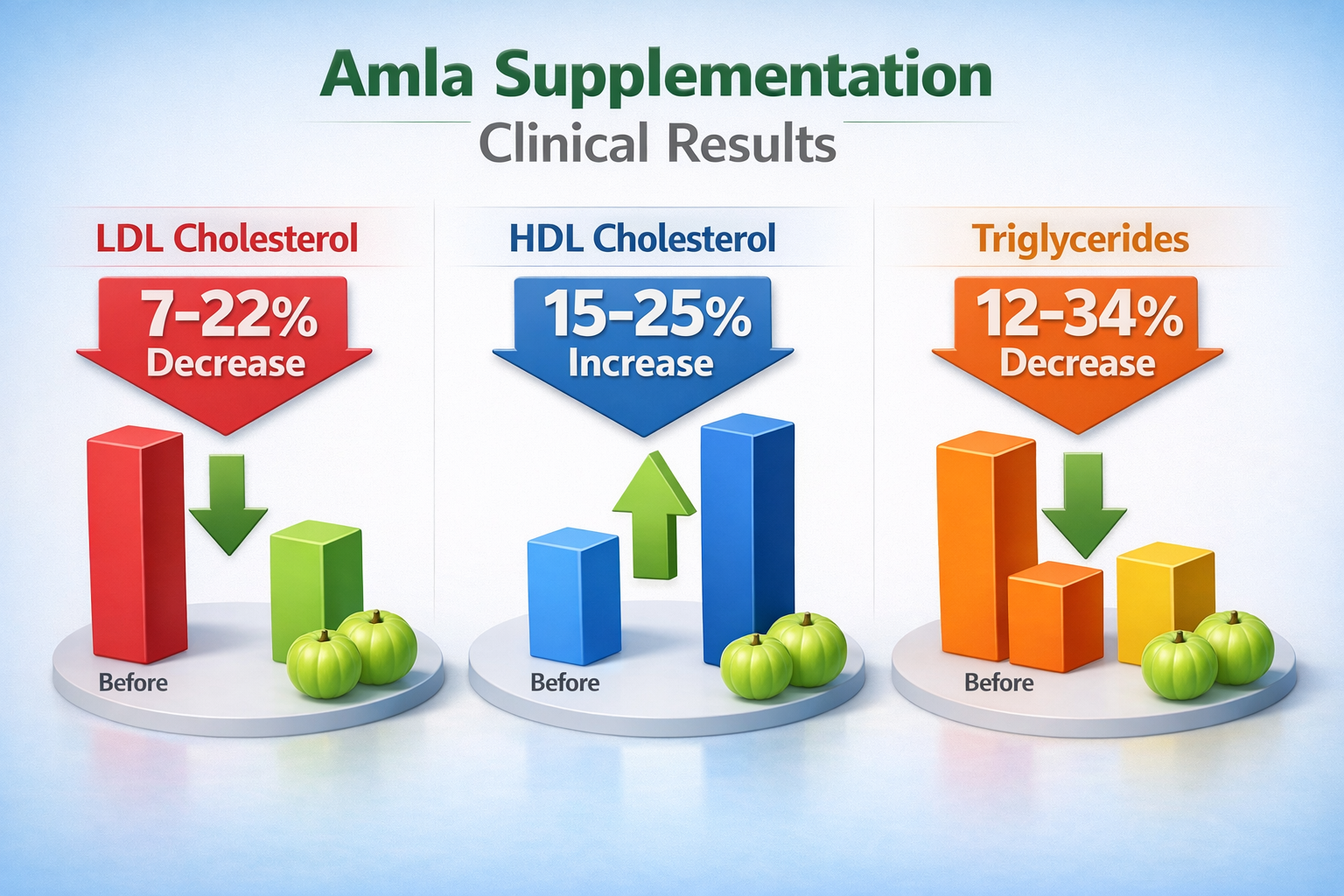
LDL cholesterol reductions ranging from 10-25 mg/dL (7-22% from baseline)
Total cholesterol decreases of 10-20 mg/dL over approximately 12 weeks
Increases in HDL cholesterol, which helps remove harmful lipids from your arterial walls
Favorable changes in triglycerides, particularly for individuals with elevated baseline levels
While these numbers are more modest than what you'd see with pharmaceutical interventions, they represent meaningful improvements in cardiovascular risk – without the side effects associated with statin medications.
The research also suggests that amla favorably affects the quality of your cholesterol particles, not just the quantity. This distinction matters, because particle quality is increasingly recognized as a more accurate predictor of cardiovascular risk than total cholesterol alone.
The Cardiovascular Benefits Extend Beyond Cholesterol
Here's where the science gets particularly interesting.
In clinical trials examining metabolic syndrome, participants taking 500 mg of standardized amla extract twice daily experienced a 39% reduction in their atherogenic index of plasma – a comprehensive measure of cardiovascular risk that accounts for the ratio of harmful to protective lipoproteins [3].
Chronic inflammation is now recognized as a primary driver of atherosclerosis and cardiovascular disease. Multiple studies have shown that amla supplementation significantly reduces inflammatory markers like C-reactive protein and interleukin-6, helping to reduce the inflammatory signaling that contributes to arterial damage and plaque formation.
Endothelial function – your blood vessels' ability to dilate and contract properly – also improves with amla supplementation. In one clinical trial, participants taking amla extract showed measurable improvements in flow-mediated dilation, an important marker of vascular health that predicts future cardiovascular events.
This tells us that amla doesn't just improve your cholesterol numbers. It helps your blood vessels function more efficiently.
Real People, Real Results
In a multicenter study conducted in India, 98 adults with dyslipidemia took 500 mg of amla extract twice daily for 12 weeks. Compared to the placebo group, those taking amla experienced significant reductions in total cholesterol, LDL cholesterol, VLDL cholesterol, and triglycerides. The supplement was well-tolerated, with no serious adverse events reported [3].
Another study examined adults with metabolic syndrome who took 250 mg or 500 mg of standardized aqueous amla extract (CAPROS) twice daily for 12 weeks [4]. Those taking the higher dose experienced:
LDL cholesterol reductions of 21.8%
Total cholesterol decreases of 11.1%
Triglyceride reductions of 19.2%
HDL cholesterol increases of 22.2%
What makes these results compelling is their consistency across different populations and study designs. Whether participants were dealing with isolated dyslipidemia or complex metabolic syndrome, amla supplementation consistently produced favorable changes in cardiovascular risk markers.
The data also suggests that those who need help the most may benefit the most – effects appeared to be larger in individuals with higher baseline cholesterol levels.
How Much Amla Should You Take?
Based on the clinical evidence, the most studied and effective regimens involve standardized amla extracts providing 500-1000 mg of active compounds daily, typically divided into two doses of 250-500 mg each.
A few important considerations:
Standardized extracts outperformed whole fruit powder in clinical trials, as they provide consistent concentrations of the active phytochemicals responsible for cholesterol reduction
Taking amla with meals may improve absorption and reduce any potential digestive irritation
Duration matters: while some studies show improvements as early as 8 weeks, the most consistent and significant results appear after a minimum of 12 weeks of regular use
This timeline makes sense when you consider that cholesterol metabolism involves complex processes that take time to rebalance. Unlike pharmaceutical interventions that force rapid changes in cholesterol synthesis, amla works by supporting your body's natural lipid management systems.
Amla vs. Statins: Different Mechanisms, Different Trade-Offs
This comparison inevitably comes up, so let's address it directly.
Statin medications ( including atorvastatin (Lipitor), rosuvastatin (Crestor), and simvastatin (Zocor)) are among the most widely prescribed drugs in the world for lowering LDL cholesterol.
And while they're effective at reducing cholesterol synthesis by blocking a principal liver enzyme known as HMG-CoA reductase, they come with a well-documented list of side effects that many people find difficult to tolerate.
The most common complaint is muscle pain and weakness (known as myalgia), which affects anywhere from 5-29% of users depending on the study you look at.
The mechanism is that statins interfere with the production of coenzyme Q10 (CoQ10), a molecule your mitochondria need to produce energy – and your muscles are particularly sensitive to this disruption.
Beyond muscle symptoms, the research shows that statins are associated with an increased risk of developing type 2 diabetes, with some meta-analyses suggesting a 9-12% higher incidence among statin users compared to placebo groups.
Other reported side effects include cognitive changes (memory problems, brain fog), liver enzyme elevations, digestive issues, and in rare cases, a serious condition called rhabdomyolysis, where muscle tissue breaks down rapidly and can damage the kidneys.
This is exactly where amla berries shine.
A small comparative study suggested similar lipid improvements with daily amla 500 mg versus simvastatin 20 mg over six weeks, though the study design limitations prevent definitive equivalence conclusions [5].
The key difference is in the mechanism of action. Statins block HMG-CoA reductase, the enzyme responsible for cholesterol synthesis in your liver. This produces rapid and significant cholesterol reductions, but it can also interfere with the production of other important compounds like CoQ10 – which is why many statin users experience muscle pain, fatigue, and cognitive changes.
Amla works fundamentally differently. Its antioxidant properties protect your arterial walls from oxidative damage, reduce the inflammation that drives cholesterol overproduction, and help improve the efficiency of your liver's lipid processing capabilities.
This approach typically produces more modest but sustainable improvements without the side effects associated with pharmaceutical interventions.
Here's my perspective: for individuals with mild to moderate cholesterol elevation, amla may provide sufficient improvement to avoid or delay the need for medication. For those with severe dyslipidemia or high cardiovascular risk, amla may serve as an excellent adjunct to conventional therapy, potentially allowing for lower medication doses while providing additional cardiovascular protection.
Pharmaceutical medications have a time and a place. But lifestyle should always be the first line of defense.
The Nutritional Biochemistry Behind Amla's Effects
The relationship between amla's nutritional profile and cholesterol metabolism goes beyond any single compound.
Vitamin C (600-700 mg per 100g of fresh fruit): required for the conversion of cholesterol to bile acids, one of the primary pathways for cholesterol elimination from your body
Polyphenols (gallic acid, ellagic acid, flavonoids): work synergistically to reduce oxidative stress, combat inflammation, and support healthy lipid metabolism
Tannins: may help reduce cholesterol absorption from dietary sources
Fiber: supports healthy gut bacteria that play important roles in cholesterol metabolism
Chromium: helps improve insulin sensitivity, which can indirectly benefit cholesterol levels by reducing the metabolic dysfunction that often accompanies insulin resistance
Zinc: crucial for proper enzyme function, including the enzymes involved in cholesterol synthesis and metabolism
Amla Works Best as Part of a Comprehensive Approach
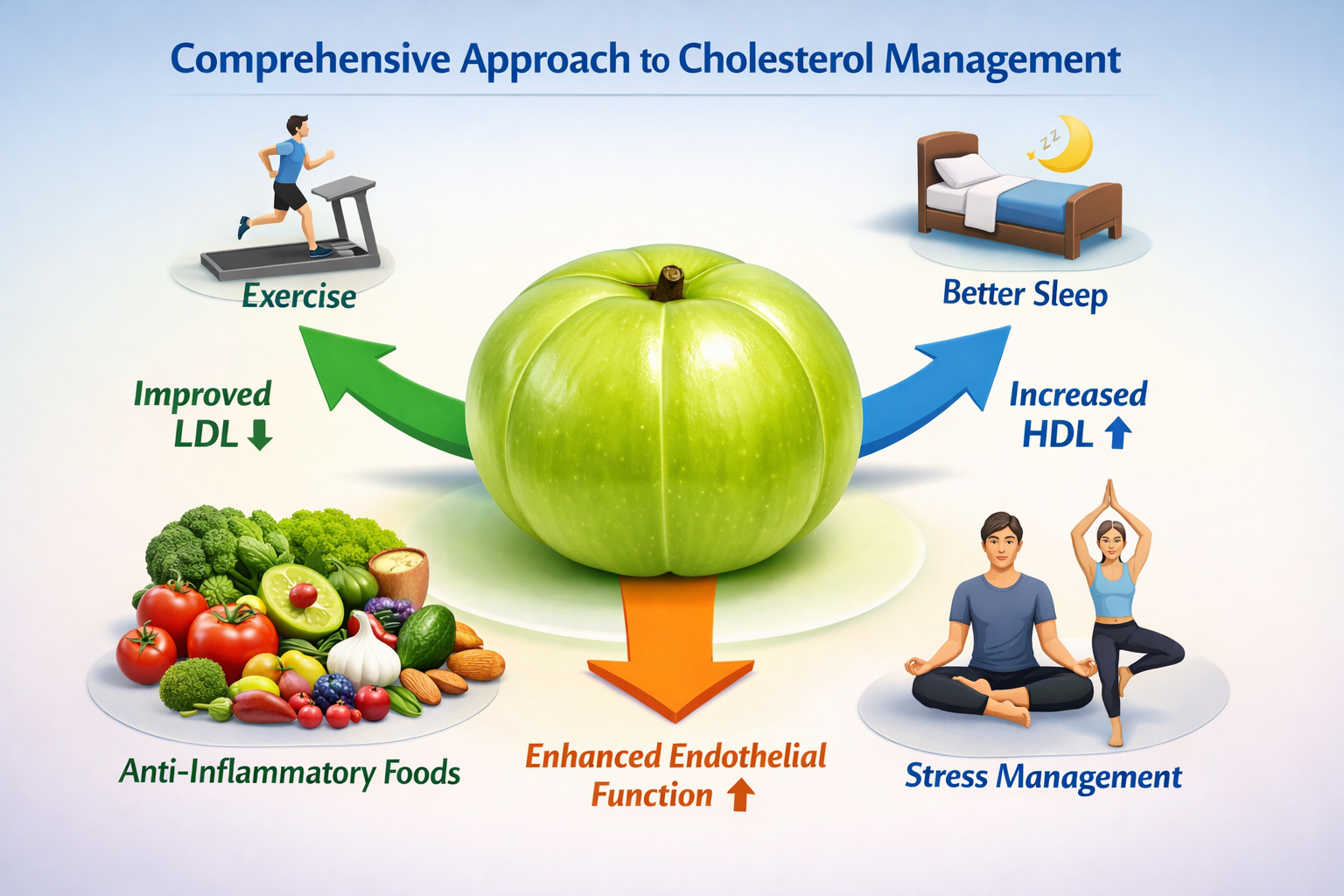
While amla represents one of the most promising natural approaches for cholesterol management, the most effective strategy involves comprehensive lifestyle modifications that address the root causes of lipid dysfunction.
Dietary modifications remain fundamental. Focus on anti-inflammatory foods rich in omega-3 fatty acids, fiber, and antioxidants. Include plenty of vegetables, fruits, nuts, seeds, and legumes while minimizing processed foods, refined sugars, and trans fats.
Regular physical activity enhances the cholesterol-lowering effects of any intervention, including amla supplementation. Even moderate exercise like brisk walking for 30 minutes daily can improve your lipid profile, increase HDL cholesterol, and enhance your body's ability to process and eliminate excess cholesterol. The combination of amla supplementation and regular exercise appears to produce greater benefits than either intervention alone.
Stress management is often overlooked but crucial. Chronic stress elevates cortisol levels, which can increase cholesterol production and promote inflammation. Practices like meditation, yoga, deep breathing, or regular time in nature can help reduce stress hormones and support your body's natural repair processes.
Ready to Experience the Power of Amla for Yourself?
The evidence is clear: amla affects cholesterol levels in clinically meaningful ways, offering a well-tolerated option for people seeking alternatives or adjuncts to conventional therapy.
If you're looking for the most effective amla supplement on the market, here's something worth knowing:
Amla Green was independently 3rd-party tested against other pure amla powders – and was shown to have the highest polyphenol content of all products tested.
Why does that matter? Because as we discussed above, it's the polyphenols – gallic acid, ellagic acid, and flavonoids – that drive the cholesterol-lowering, anti-inflammatory, and antioxidant effects the research has documented.
A higher polyphenol content means you're getting more of the active compounds that actually move the needle on your lipid panel and cardiovascular health.
Amla Green is a concentrated, standardized amla extract designed to deliver the clinically relevant doses shown to improve cholesterol, reduce inflammation, and support healthy metabolic function.
For a limited time, you can try Amla Green at up to 50% off.
👉 Click here to get up to 50% off Amla Green today
Your body has a remarkable capacity to heal itself when given the right fuel, movement, sleep, and a low-stress environment. Amla is one powerful tool in that process – but it's the combination of evidence-based strategies, tailored to your unique biochemistry, that produces lasting change.
If you're ready to take control of your cholesterol levels naturally using food, movement, and sleep to address the root causes of your overall cardiovascular risk, we're here to help.
Click here to book a time to speak with us to discover how amla and many other other evidence-based natural approaches can be tailored to your specific needs and health goals.
References
[1] Huang W, et al. Effects of Phyllanthus emblica L. on lipid profiles and inflammatory markers: a systematic review and meta-analysis of randomized controlled trials. BMC Complement Med Ther. 2023;23:1-12.
[2] Varma K, et al. Effects of amla (Emblica officinalis) supplementation on metabolic parameters: a systematic review and meta-analysis of randomized controlled trials. Diabetes Metab Syndr. 2023;17(1):102693.
[3] Usharani P, Fatima N, Muralidhar N. Effects of Phyllanthus emblica extract on endothelial dysfunction and biomarkers of oxidative stress in patients with type 2 diabetes mellitus: a randomized, double-blind, controlled study. Diabetes Metab Syndr Obes. 2013;6:275-84.
[4] Khanna S, et al. Supplementation of a standardized extract from Phyllanthus emblica improves cardiovascular risk factors and platelet aggregation in overweight/class-1 obese adults. J Med Food. 2015;18(4):415-20.
[5] Gopa B, Bhatt J, Hemavathi KG. A comparative clinical study of hypolipidemic efficacy of amla (Emblica officinalis) with 3-hydroxy-3-methylglutaryl-coenzyme-A reductase inhibitor simvastatin. Indian J Pharmacol. 2012;44(2):238-42.
